FINANCIAL AWARENESS MESSAGE 4: TIME VALUE OF MONEY

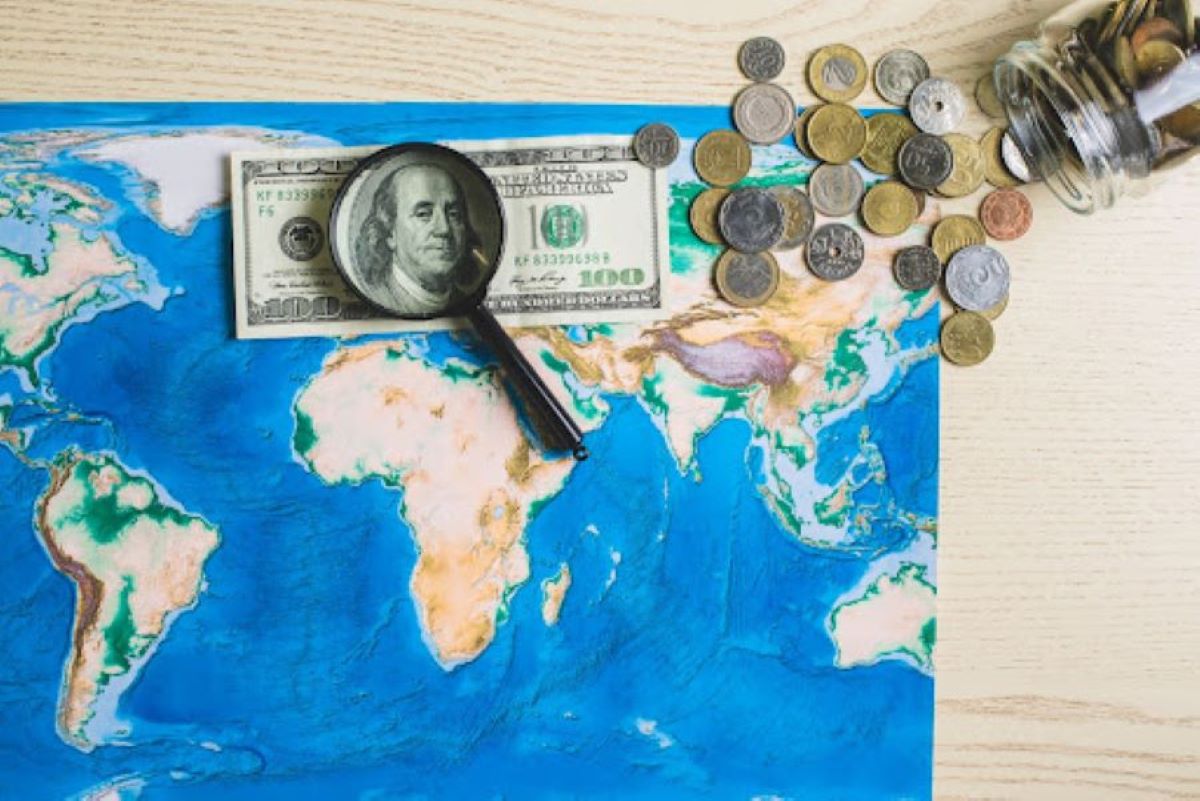
The time value of money (TVM) is the concept that money available now is worth more than the same amount of money available in the future due to its potential earning capacity, provided the rate of interest is positive. ₹ 100 today may not be equivalent to ₹ 100 to be received after two years.



Consider the following scenarios assuming an interest rate/discount rate of 10%


The value of  ₹ 100 invested at say 10% interest, compounded yearly, will become  ₹ 121 in 2 years. This is called FUTURE VALUE of the current cash flow.


Conversely, in the same scenario, receiving  ₹ 121 after 2 years is equal to receiving  ₹ 100 today. This is called the PRESENT VALUE of the
future cash flow. The Present Value of ₹ 121 receivable after 2 years is ₹ 100 today.


Thus, we see that money has a ‘Time Value’.


REMEMBER:

If money is not invested wisely, it can lose value due to inflation. If the return on an investment of  ₹ 100 is say 5% and inflation rate is 7%, then the real return is (-2%)! Money has lost value to the extent of  ₹ 2.



Hence, to compensate for inflation and other factors, financial institutions pay interest if you deposit money, and charge interest if you borrow money. Hence, it is essential to save and invest in appropriate financial products to earn a rate of return above the rate of inflation to preserve the future value of money.


Disclaimer : This message is presented as a reading and teaching material with a sincere purpose of making the reader financially literate. It is not intended to influence the reader in making a decision in relation to any particular financial products or services. 

Printed by Reserve Bank of India, Financial Inclusion & Development Department.

About Author

Related posts

Why Financial Literacy Should Start in School

Key Takeays: The Need for Early Financial Education Financial literacy is a essential lifestyles talent that is often omitted in conventional schooling structures. Early publicity to standards like budgeting, saving, and investing can profoundly effect college students’ financial properly-being throughout their lives. For instance, teaching the strength of compound...

Read More

The Rise of ESG Investing: What It Means for You

Key Takeaways ESG understand investment ESG investment involves the environment, social and management factors in investment decisions. These criteria evaluate how companies address issues such as carbon emissions, work practice, diversity and performing responsibility. Unlike traditional investments, ESG focuses on economic development with economic returns and focuses on moral...

Read More

How Geopolitical Events Influence Financial Markets

Key Takeaways: Understand geopolitical events Geophysical events include political, economic and military development affecting international conditions and global stability. These include war, trade shows, limitations, choices and diplomatic conversations. Such events create uncertainty in the financial markets by influencing the investor’s spirit and changing the economic path. Market Volatility...

Read More

Leave a Reply

Reset password

Enter your email address and we will send you a link to change your password.

Get started with your account

to save your favourite homes and more

Sign up with email

Get started with your account

to save your favourite homes and more

By clicking the «SIGN UP» button you agree to the Terms of Use and Privacy Policy
Powered by Estatik