Why Strategic Thinking Matters
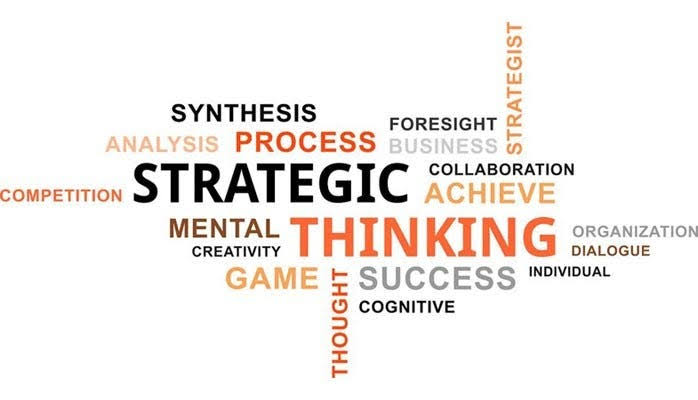
A financial decision can feel sensible today and still create problems tomorrow. A market dip, an unexpected bill or a persuasive piece of advice can tempt us to react before we have considered the consequences. Strategic thinkers take a different approach: they pause, examine the wider picture and ask, “How might this choice affect me five or ten years from now?”
Strategic thinking is not reserved for executives or financial experts. It is a practical skill that grows with deliberate practice. Whether you are building savings, considering an investment, developing your career or managing a business, it can help you connect everyday choices with long-term priorities.
The following ten habits offer a practical place to begin:
1. Think Beyond the Immediate Reward
Short-term rewards are easy to notice; long-term consequences often take more effort to imagine. Before making a significant decision, consider how it may affect your goals, options and financial security over the next year, five years and ten years. For example, using an entire bonus for a new gadget may bring immediate enjoyment. Setting aside a portion for an emergency fund or a long-term goal may offer benefits that last much longer. The right choice depends on your circumstances—but considering the future helps you choose deliberately.
2. Turn Past Experience into Useful Lessons
Your past decisions can provide valuable information, provided you review them honestly. Ask what worked, what did not, which assumptions proved wrong and what you would change next time. Keep a brief decision journal. Record important choices, the reasons behind them and what happened afterward. Reviewing these notes can reveal recurring patterns and help you avoid repeating preventable mistakes.
3. Look at the Whole System
Money, work, health, relationships and daily habits influence one another. Focusing on a single symptom can hide the factors that are actually driving a problem. If your savings are not growing, a low income may be only part of the explanation. Irregular spending, recurring subscriptions, debt payments or the absence of a budget may also contribute. Examine the full picture before deciding what needs to change.
4. Invite Different Perspectives
No one has a complete view of every situation. Listening to people with different experiences can reveal risks, assumptions and opportunities you may have overlooked. Being open-minded does not mean accepting every opinion; it means evaluating useful ideas fairly. Read credible viewpoints that challenge your assumptions and ask a trusted person to question your plan. A helpful question is: “What might I be missing?”
5. Use Evidence Without Ignoring Emotions
Numbers can clarify costs, risks and likely outcomes, while emotions and personal values help explain what matters to you. Sound decisions make room for both without allowing either to dominate unexamined. When considering a financial choice, review the facts first: affordability, potential downside, time horizon and alternatives. Then consider whether the decision fits your responsibilities, priorities and tolerance for uncertainty. Avoid acting solely from fear, excitement or pressure.
6. Solve Problems Step by Step
Complex problems become easier to manage when you break them into smaller questions. Instead of accepting the first solution, compare realistic alternatives and consider their trade-offs. Try this simple process: define the problem; identify its likely causes; list possible solutions; compare the benefits, costs and risks; choose a practical next step; and review the result. Practising with a monthly budget can build confidence for more demanding decisions.

7. Make Space for Creativity
Creativity is useful in business and personal finance—not just in the arts. It can help you discover a new way to serve customers, develop an additional income stream or reduce an unnecessary expense. Ask “What if?” questions. Could an existing skill solve a problem for someone else? Could a process be made simpler? Test promising ideas on a small scale before committing substantial time or money. Curiosity and experimentation often reveal options that routine thinking misses.
8. Communicate Plans Clearly
Even a well-considered plan can fail if the people involved do not understand it. Clear communication, careful listening and constructive feedback help turn individual ideas into shared decisions. Discuss financial goals, responsibilities and concerns openly with your partner or family, and prepare clear questions when speaking with a qualified adviser. Make sure everyone understands the priorities, possible trade-offs and next steps.
9. Take Thoughtful Steps Outside Your Comfort Zone
New experiences can broaden your perspective and help you develop skills. Growth does not require reckless risks or dramatic changes; it often begins with a manageable challenge. Learn a relevant financial or business skill, attend a workshop, ask to lead a new project or explore an unfamiliar subject. Start at a scale you can manage, reflect on what you learn and build from there.
10. Keep Your Curiosity Alive
The world of work, business and personal finance keeps changing. Regular learning helps you ask better questions, recognise emerging possibilities and adapt when circumstances shift. Set aside a little time each day to read, listen to a credible educational resource or study a subject relevant to your goals. Even fifteen focused minutes can build knowledge over time when the habit is consistent.
A Simple Weekly Routine
You do not need to change every habit at once. Use this short routine to make strategic thinking part of your week:
*Spend ten minutes reviewing one important decision you made.
*Write down one lesson and one thing you could improve.
*Ask someone you trust for a different perspective on a current goal.
*Learn one useful idea about money, business or personal development.
*Choose one small action to take during the coming week.
The Key Takeaway
Better decisions rarely come from reacting faster to every situation. They come from asking clearer questions, considering consequences, learning from experience and acting in line with meaningful goals. Choose one habit from this article and practise it consistently for a month before adding another.
Final Thoughts
Strategic thinking helps turn scattered choices into purposeful progress. It cannot remove uncertainty or guarantee wealth, but it can help you recognise trade-offs, prepare for change and use your resources more intentionally. Start small, remain curious and let each thoughtful decision inform the next.
– Admin, Wealthio