
Based on the Principles of Napoleon Hill
“Every adversity, every failure, and ever heartache carries with it the seed of an equivalent or greater benefit.”
–Napoleon Hill
Napoleon Hill was an American author and a pioneer of the modern self-help movement . He wrote the book “How to Overcome Failure and Achieve Success“, which is one of the best-selling personal development books of all the time. Hill dedicated his life to studying the principles of success, popularising the idea that our thoughts and mental attitude directly shape our financial and personal achievements. The Key point of the Book is that success starts in the mind. Your thoughts, beliefs, and persistence shape your results more than circumstances do. Lack of purpose and fear cause failure, and self-discipline and definiteness of purpose secure success. Clear goals, positive mindset, and persistent action turn failure into success.
The Strategy for Handling Failure
The only true failure in life is the choice to stop trying. When an endeavor collapses, Hill advises taking immediate, systematic steps to rebuild: Learn from failure. Every failure carries “the seed of an equivalent advantage.” Treat setbacks as feedback, not verdicts.
* Close the Door for negative thoughts, bad experiences, or people who cause failure. Leaving the door open allows the same mistakes to sneak back in.
* Admit Mistakes without Excuses & Acknowledging strategy flaws allows for immediate course correction. Blaming outside forces paralyzes progress.
* Count What Remains & Rebuild confidence by taking inventory of remaining assets: mind, health, existing skills, relationships, and time.
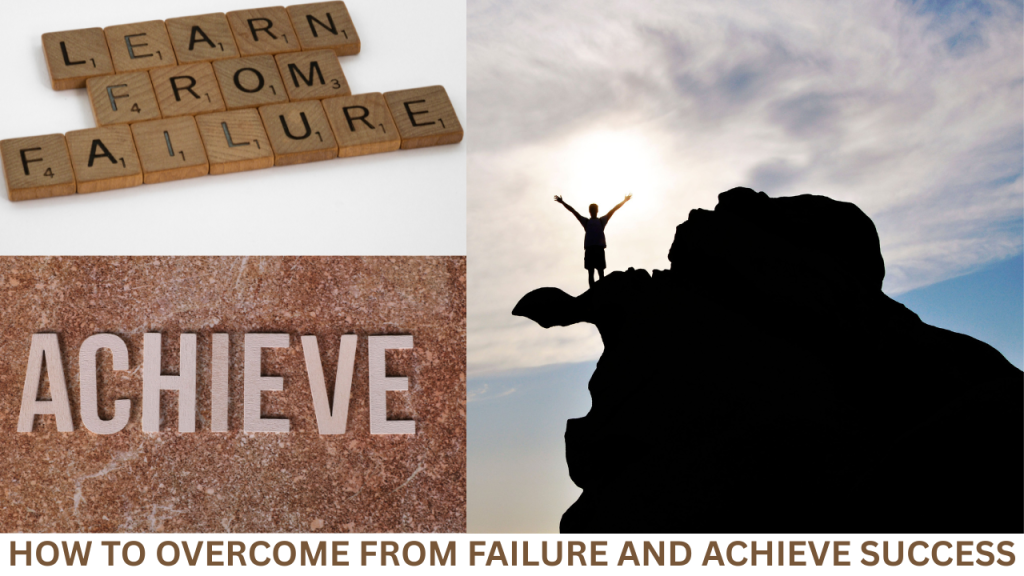
The Blueprint for Achieving Success –
Start with a definite purpose. Success requires absolute clarity. Define and write down your major goals with specifics (what, why, by when). Break it into smaller targets. Believed affirming your goal each morning and night aligns subconscious thinking with success.
Organized Planning , action & decision-.Draft a 6-month action plan for your goal, with weekly tasks. Join or form a mastermind to refine ideas. Review progress weekly and adjust plans if needed instead of quitting. Form a group to brainstorm plans; create written plans, and if the first plan fails, revise and try again.
Persistence & Resilience – Keep pushing despite setbacks. Learning from mistakes, analyze each setback, extract lessons, and renew commitment with fresh plans. Whenever things go wrong, note lessons learned. Each week, list how obstacles have guided you to rethink or improve. Most people quit just before a breakthrough. Failure is often temporary defeat, and it only becomes final when you stop. Celebrate small wins to build grit.
Cultivate faith and belief. Switch your mindset from ‘What can I get?’ to ‘What massive value can I offer?’ Eliminate phrases like ‘if this fails’ and replace them with ‘when this succeeds’. Your speech directs your subconscious mind. Believing you can succeed increases effort and resilience. One must replace fear with faith. Failure comes from negative emotions like fear; conversely, faith (confidence) is crucial.
Use the Master Mind Principle. Surround yourself with a small group of like-minded, capable people working toward a common goal. Combined minds produce ideas and energy that one person can’t. Success comes through the help of others.It might be a mentor, peer group, or informal alliance. The idea foreshadows today’s emphasis on networks, mentoring, and teamwork. Social support increases accountability and provides diverse ideas.
Defeat the six fears. Poverty, criticism, ill health, loss of love, old age, and death hold people back. Fear of poverty and fear of criticism are the most damaging. Fear drives procrastination and excuses. Identify your top fears that hold you back e.g. fear of failure or rejection. For each, plan a small, concrete action to face it(e.g. speak in public to reduce fear of criticism.
Decide quickly, change slowly. Successful people make decisions promptly and rarely change them. Indecision and easily swayed opinions are habits of those who fail. Give more value than you’re paid for. This builds reputation, opportunity, and goodwill that come back to you.
Takeaways
– Failure is a stage in the process, not the end of it.
-Clear goals, steady action, and persistence matter more than talent alone.
– Your environment and the people around you shape your mindset.
– Faith in your goal, backed by a plan, keeps you moving through setbacks.
At Wealthio, we help you to achieve financial success by shifting your mind-set from a “defeat consciousness” to a structured, action-oriented plan for wealth accumulation.
-Admin, Wealthio